

The 358 high security fence is the gold standard for perimeter protection. Global demand for securing critical infrastructure remains exceptionally high. If you plan a security project, understanding pricing factors helps you budget effectively.
Here are the top 7 factors influencing 358 fence costs this year.
1. Raw Material Costs and Steel Grades
Steel prices heavily dictate the final cost of any metal fence. 358 fences use high-tensile steel wire. Higher steel grades withstand cutting tools better but cost more.
Global iron ore supply and steel mill capacities cause regular price shifts. Always check current steel market rates before finalizing large bulk orders.
2. Wire Diameter and Mesh Uniformity
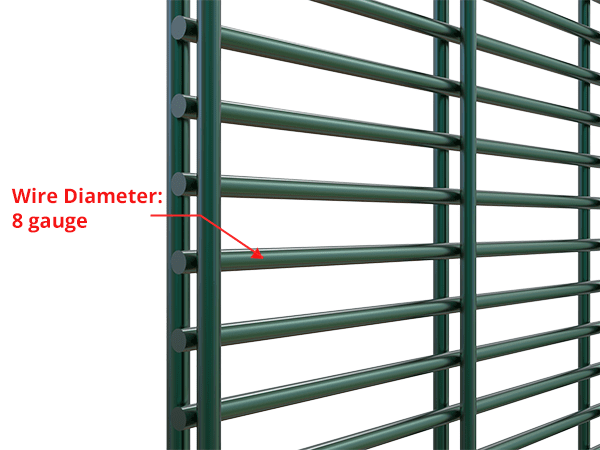
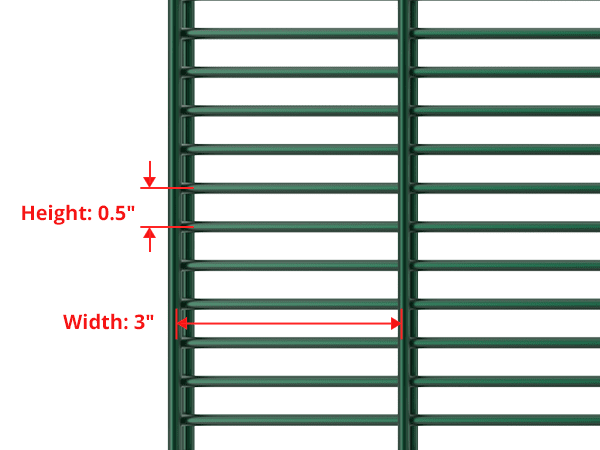
The numbers “358” represent the traditional imperial measurements of the mesh opening and wire gauge. True 358 fencing utilizes a specific configuration to ensure anti-climb properties.
| Dimension Metric | Traditional Imperial Measurement | Impact on Price |
| 3 inches (76.2mm) | Long opening spacing | Standard baseline cost |
| 0.5 inches (12.7mm) | Short opening spacing | Tight gaps require more wire |
| 8 gauge (4.0mm) | Standard wire diameter | Thicker wire increases total weight |
Thicker wire adds weight to each panel. Since factories price steel by weight, heavier panels naturally cost more.
3. Surface Treatment and Coating Quality
The type of coating determines how long your fence resists rust. This choice changes the price significantly.
- Electro-galvanized: Low cost, thin zinc layer, short lifespan outdoors.
- Hot-dipped galvanized (HDG): Medium cost, thick zinc layer, excellent rust protection.
- Galvanized + PVC/Powder Coating: Highest cost, maximum corrosion resistance, dual-layer protection.
For coastal installations, always choose HDG with powder coating to prevent premature corrosion.
4. Double Vertical Wire Configurations
Some high-security projects require extra rigidity. Manufacturers can add a second vertical wire to the panel. This design creates a “358 double vertical wire fence.”
The extra wire doubles the vertical steel content. This configuration increases cutting resistance but raises material costs and production time.
5. Post and Fastener Specifications
A complete fencing system includes posts, clamps, and security bolts. The price varies based on post design, such as RHS (Rectangular Hollow Section) or Y-posts for concertina razor wire.
Using heavy-duty steel clamps and anti-tamper break-away nuts increases the total system cost. However, these accessories ensure the perimeter remains secure.
[Image placeholder: Diagram of 358 fence post connection showing security brackets and anti-tamper bolts]
6. Manufacturing Automation and Weld Shear Strength
High-quality 358 mesh requires specialized, heavy-duty automated welding machines. Proper welding ensures high weld shear strength at every single intersection.
Advanced factories run efficient production lines to lower labor costs. Smaller operations might offer lower prices but often deliver weak welds that fail penetration tests.
7. Shipping Freight and Logistics
358 fence panels are rigid, heavy, and flat. They require specialized export pallet packaging to prevent bending during transit.
Shipping ocean freight rates fluctuate based on global trade routes and fuel costs. Packing density inside the container directly affects your landed cost per meter.
Conclusion
Evaluating these 7 factors allows you to balance security needs with your procurement budget. Do not look only at the lowest price. Focus on steel weight, coating specifications, and international standard compliance to secure your investment.
