

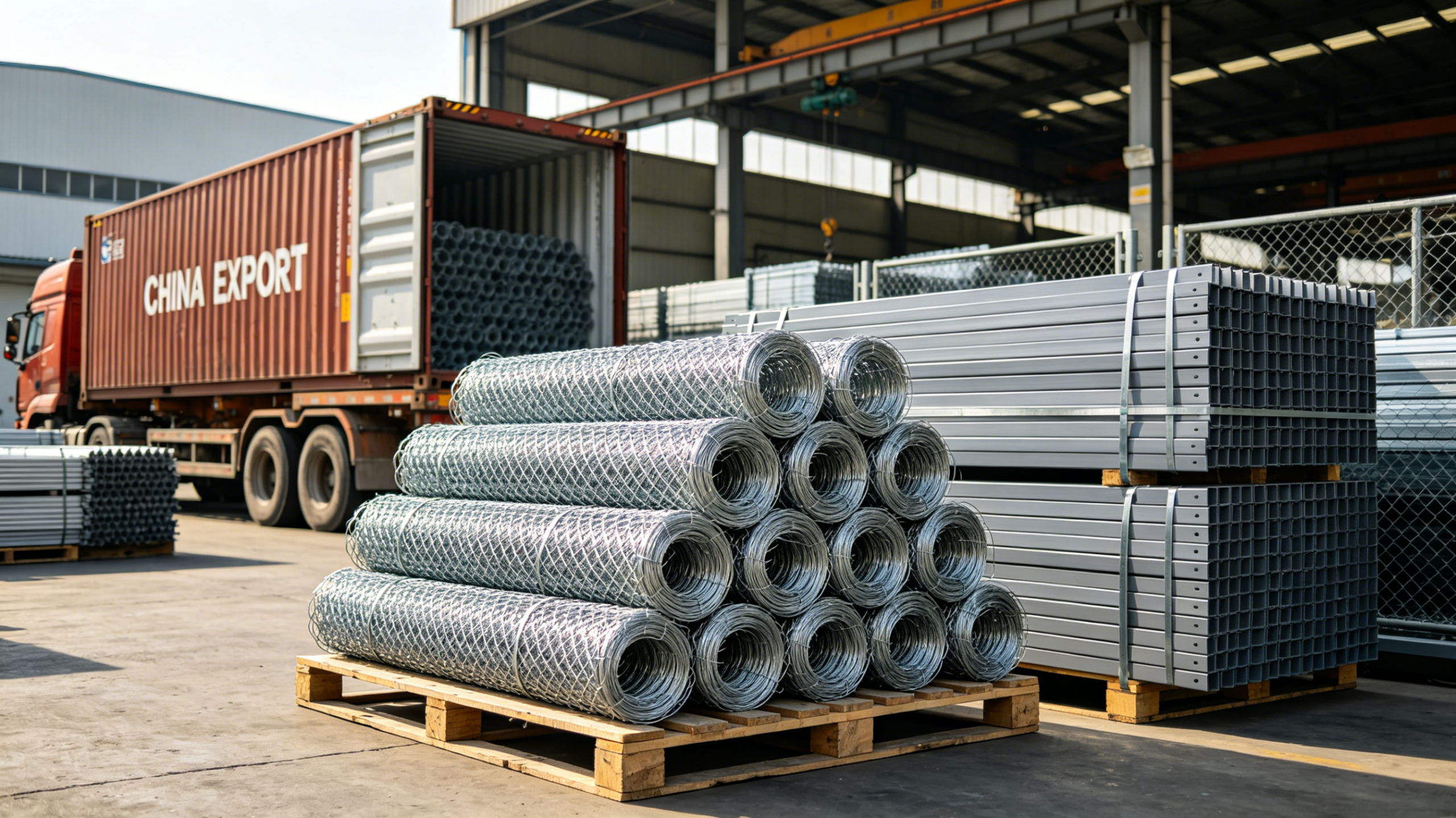
Importing metal products from China offers great value. However, many buyers face unexpected challenges. Small errors in communication or documentation can lead to heavy financial losses. Follow this guide to ensure a smooth procurement process.
1. Ignoring Technical Specifications and Tolerances
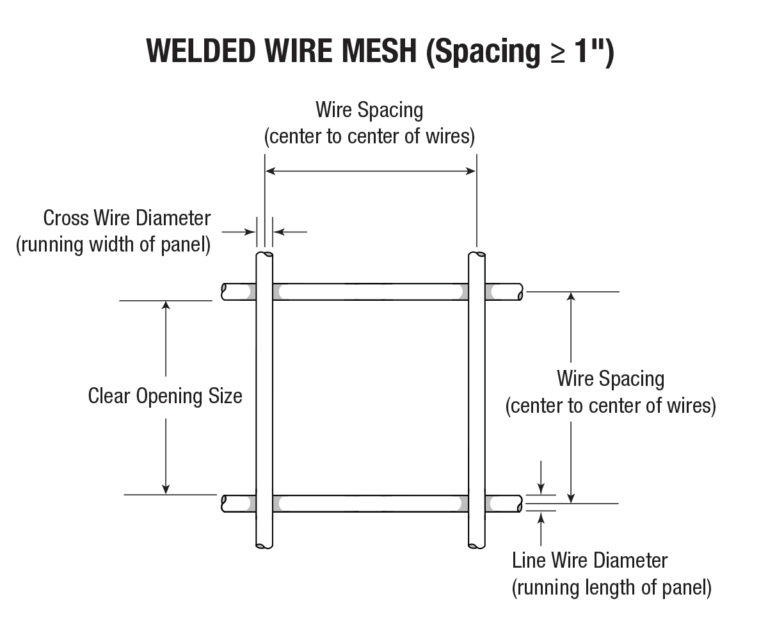
Many buyers assume “standard” means the same thing everywhere. In the metal industry, precision is everything. You must define wire diameter, mesh size, and zinc coating thickness (grams per square meter).
If you do not specify “Hot-Dipped Galvanized,” you might receive “Electro-Galvanized” products. The latter has much lower corrosion resistance. To avoid quality issues, always request a detailed data sheet for high-quality galvanized wire mesh from your supplier.
2. Neglecting Factory On-site Audits
Never rely solely on professional-looking websites. Some “factories” are actually small trading companies with no quality control.
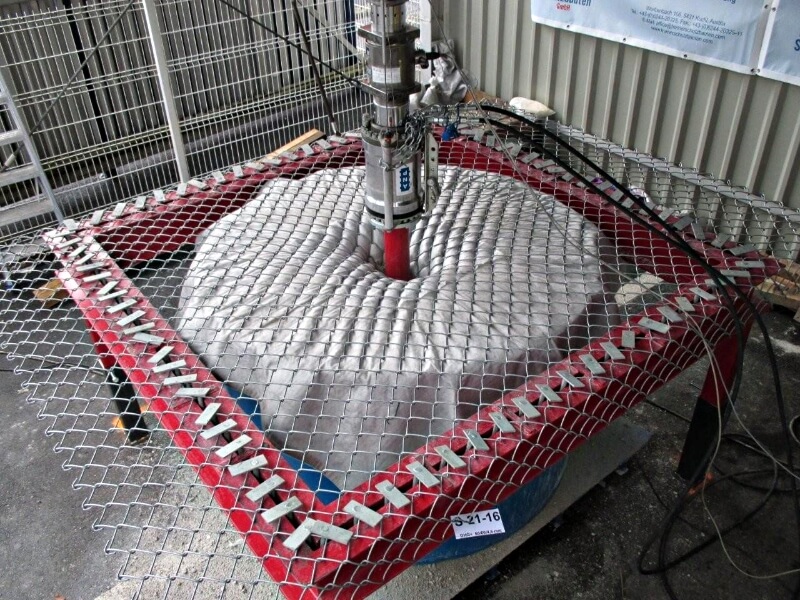
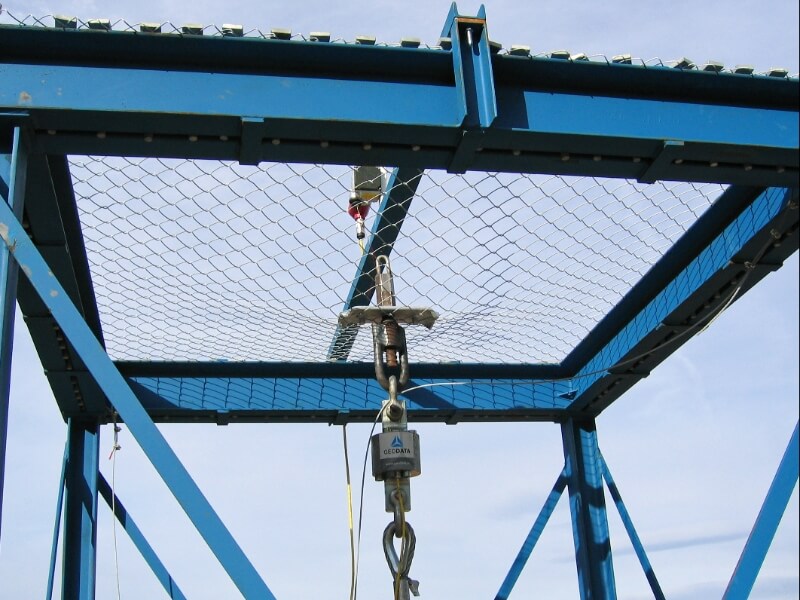
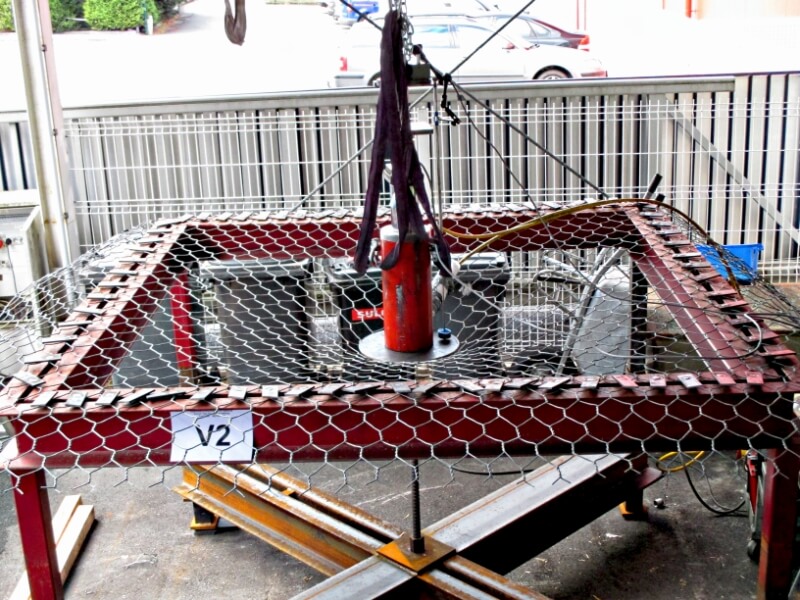
A real factory has ISO certifications and specialized testing equipment. They should own salt spray test machines and tensile strength testers. If you cannot visit in person, hire a third-party inspection service like SGS or Intertek.
3. Underestimating Shipping and Logistics Costs
Metal products are heavy and high-volume. Shipping costs can fluctuate significantly. Many buyers forget to calculate “landed costs,” which include duty, port fees, and local trucking.
| Feature | FOB (Free on Board) | CIF (Cost, Insurance, Freight) |
| Buyer Risk | Starts at loading port | Starts at destination port |
| Cost Control | High (Buyer chooses carrier) | Low (Seller chooses carrier) |
| Best For | Experienced Importers | New Buyers |
Our team provides professional export services to help you calculate landed costs and manage logistics efficiently.
4. Failing to Verify Quality Before Shipment
Do not wait until the container arrives at your warehouse to check quality. Once the goods leave China, returning them is nearly impossible.
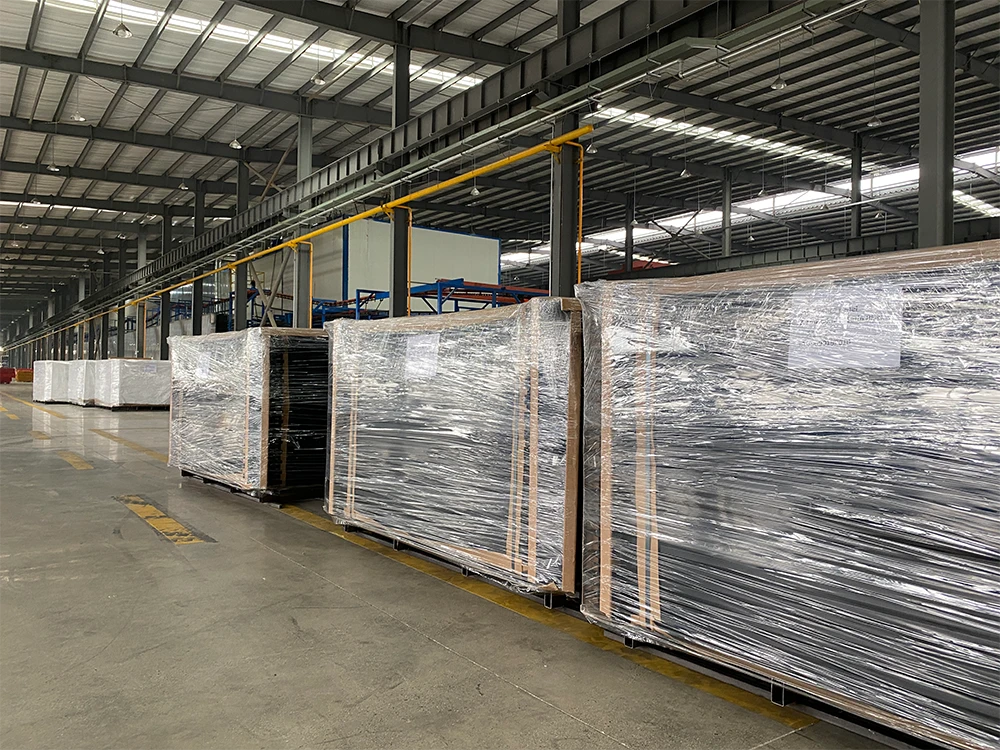
Request a “Pre-Shipment Inspection” (PSI). The inspector should check the quantity, weight, and coating quality. They must also verify the packaging. Heavy metal mesh rolls need strong wooden pallets to prevent deformation during sea transit.
5. Overlooking Import Compliance and Anti-Dumping Duties
Some countries impose high anti-dumping duties on specific Chinese metal products. For example, certain types of wire mesh or stainless steel pipes face extra taxes in the EU or USA.
Check your local HS Code (Harmonized System) regulations before placing an order. Failing to do this can double your total cost at the customs office.
Conclusion
Successful importing requires clear communication and strict verification. Define your specs clearly. Audit your suppliers. Always inspect goods before they leave the factory. These steps protect your investment and build a reliable supply chain.
Ready to start your next project? Contact us today for customized metal fencing solutions tailored to your needs.
